top of page

Sound Healing

¨Vibrate the cosmos and the cosmos shall clear the path¨
Y.B
What is Sound Healing and how it works?
Imagine your body as a finely tuned instrument. Every cell vibrates, every organ hums with a subtle frequency, and your entire being is an orchestra of energy. But just like any instrument, life can knock you out of tune—stress, trauma, illness, or simply the noise of a busy world. This is where sound healing comes in.
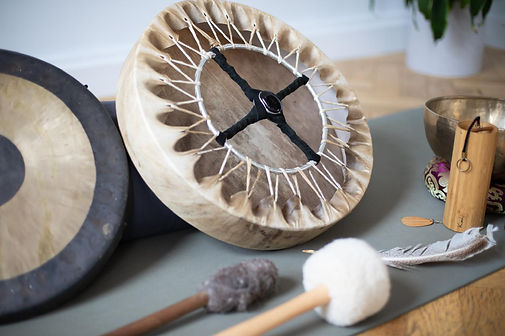
Sound healing is an ancient practice that uses the power of vibration—through sound frequencies, music, and resonance—to restore harmony in the body, mind, and spirit. From Tibetan singing bowls to crystal bowls, tuning forks, drums, chimes, gongs, or even the human voice, sound healers use specific tones and rhythms to stimulate healing responses in the brain and body.
On a scientific level, certain frequencies can slow brainwaves, guiding the mind into meditative or restful states. This is known to reduce stress, improve sleep, and promote emotional balance. The practice can activate the parasympathetic nervous system, helping the body shift into “rest and repair” mode. Some frequencies are even thought to synchronize with the body’s energy centers, or chakras, helping to clear blockages and encourage flow.
But sound healing is not just therapy—it’s an experience. When you lie in a sound bath, it feels like the vibrations wrap around you like warm water. Your thoughts begin to melt, time blurs, and you float in a space where only sound exists. It’s less about doing and more about receiving.
Whether rooted in ancient wisdom or modern neuroscience, sound healing reminds us of a truth we've always known: vibration is life, and when we return to our natural frequency, we heal—not just physically, but holistically.
What can I get from a sound bath?
Studies have shown that people engaging in a sound bath have felt calm, relaxed, rejuvenated and less anxious or stressed. In some cases, participants have experienced the release of stored emotions and tension during a sound bath, which has resulted in participants letting go of stress, sadness, or other negative emotions.
Sound baths also offers a unique opportunity for mindfulness and meditation practice. By focusing on the sounds and vibrations of the instruments, participants can cultivate present-moment awareness, deepen their meditation practice, and experience a sense of inner calm and serenity.
.jpeg)
What happens during a sound bath?
A typical Sound Bath lasts between 60 to 90 minutes. We start by tuning the body and mind and making them ready to receive the vibrations of the instruments by setting an intention, focusing the mind with a meditation or breathing exercise. You will lay down on soft mats, and be covered with a blanket. It’s helpful to have warm clothes and water available.
The Sound Bath practitioner will begin slowly and gently, building up gradually to produce louder sounds which carry the frequencies for healing, then returning to a more soothing set of frequencies to begin the process of releasing negative energy and completing the sound bath process.
Contraindications for a Sound Bath
While sound baths can be a beneficial and rejuvenating experience for many people, there are certain conditions who need to exercise caution or avoid participating altogether. Here are some situations in which individuals should refrain from participation:
• Pregnancy: Pregnant women are advised not to attend a sound bath, particularly during the first trimester. While many sound baths are gentle and relaxing, some individuals may prefer to avoid certain frequencies or vibrations during pregnancy as a precaution.
• Epilepsy: people with epilepsy or a history of seizures should consult with their healthcare provider before participating in a sound bath. Certain frequencies or patterns of sound vibrations may trigger seizures in susceptible individuals, so it's important to approach sound baths with caution.
• Serious Medical Conditions: Individuals with serious medical conditions, such as heart disease, high blood pressure, or severe mental health disorders, should consult with their healthcare provider before participating in a sound bath. While sound baths can be relaxing and therapeutic for many people, those with certain medical conditions may need to exercise caution or avoid participation altogether.
• Hearing Impairments: While individuals with hearing impairments may still be able to participate in a sound bath through vibration or tactile sensation, it's important to ensure that the experience is safe and comfortable for them. Sound baths that focus primarily on auditory stimulation may not be suitable for individuals with significant hearing loss.
• Sensitivity to Sound: Some individuals may be particularly sensitive to certain frequencies or volumes of sound, which can cause discomfort or distress. It's important for participants to communicate any concerns or preferences to the facilitator before the sound bath begins, so that adjustments can be made to accommodate individual needs.
CLASSES
Yin Yoga & Sound Healing Class
Fridays 6:00pm-7:30pm
St Paul's Community Centre
23 Inner Park Road SW19 6EW
£13 per class
One to One and group sessions available on request performed at my home studio in Hampton or at your suggested place depending on location, please send an enquiry if interested.

bottom of page